
Smart Systems as our Research Subject
At ZESS, we examine smart systems throughout their entire life cycle – from planning, development, and use to decommissioning and recycling. Our inter- and transdisciplinary research approach unites scientists from 12 different disciplines.
Our goal is to understand smart systems, their characteristics and the resulting changes in a holistic context, to translate our insights into suitable methods, technologies and systems and ,ultimately, to enable the transfer of a new engineering approach into industrial applications.
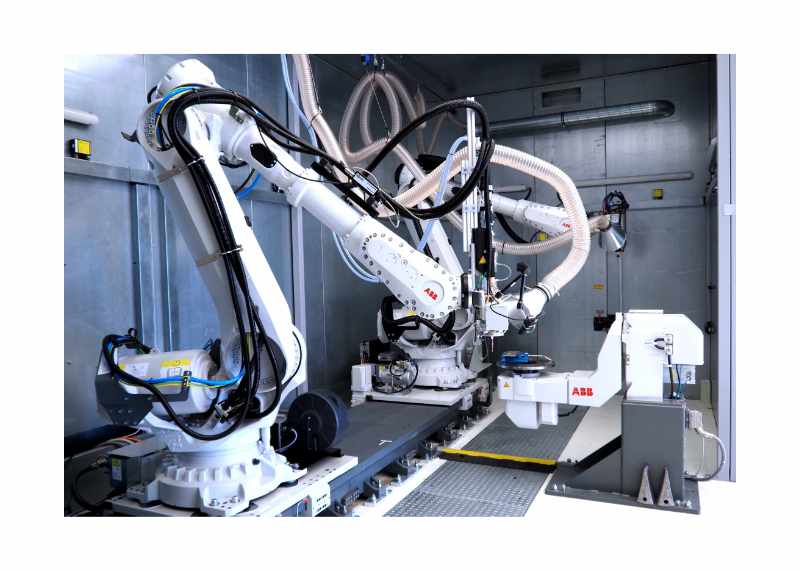
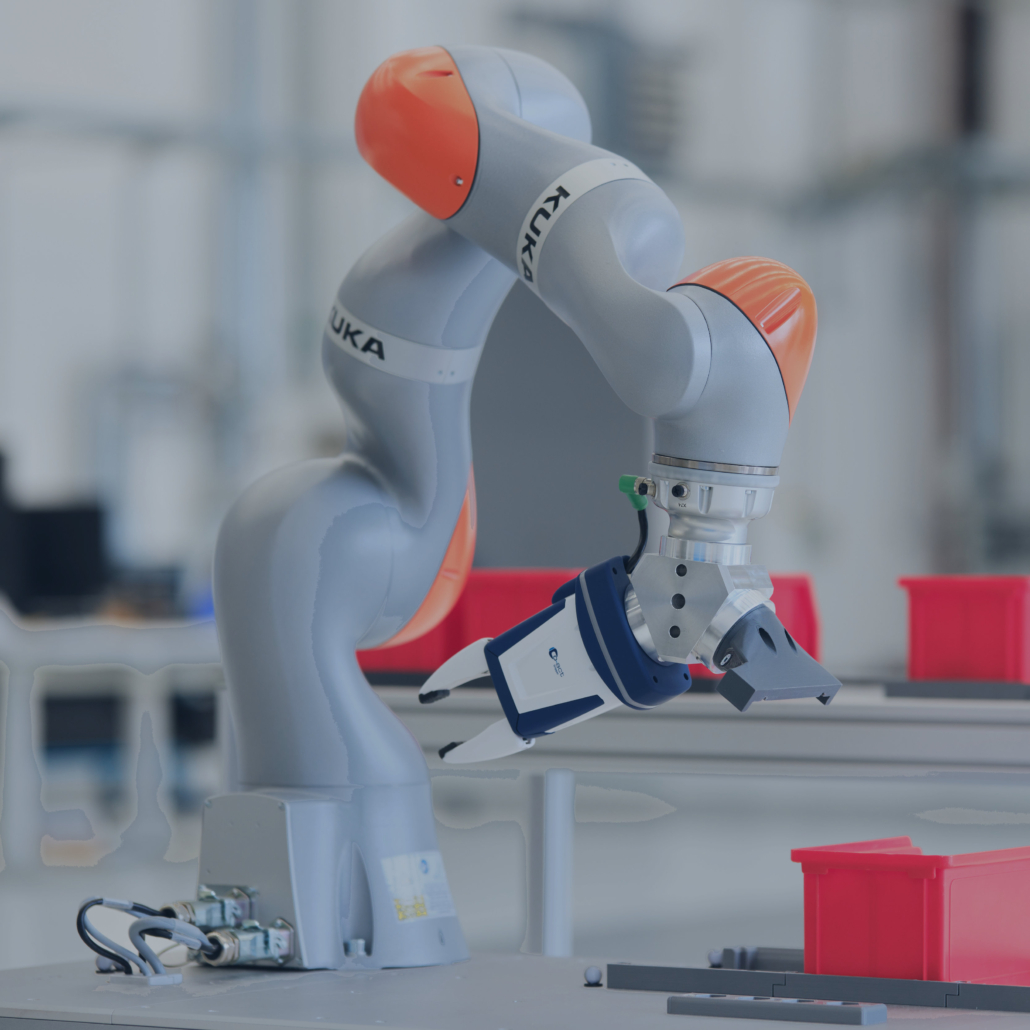
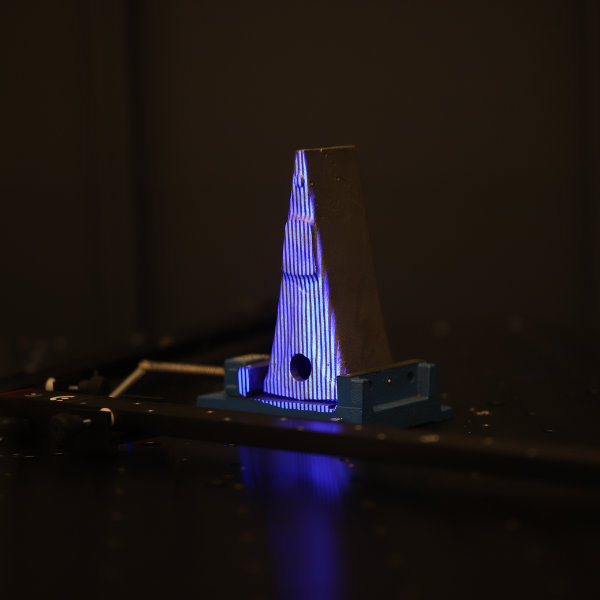
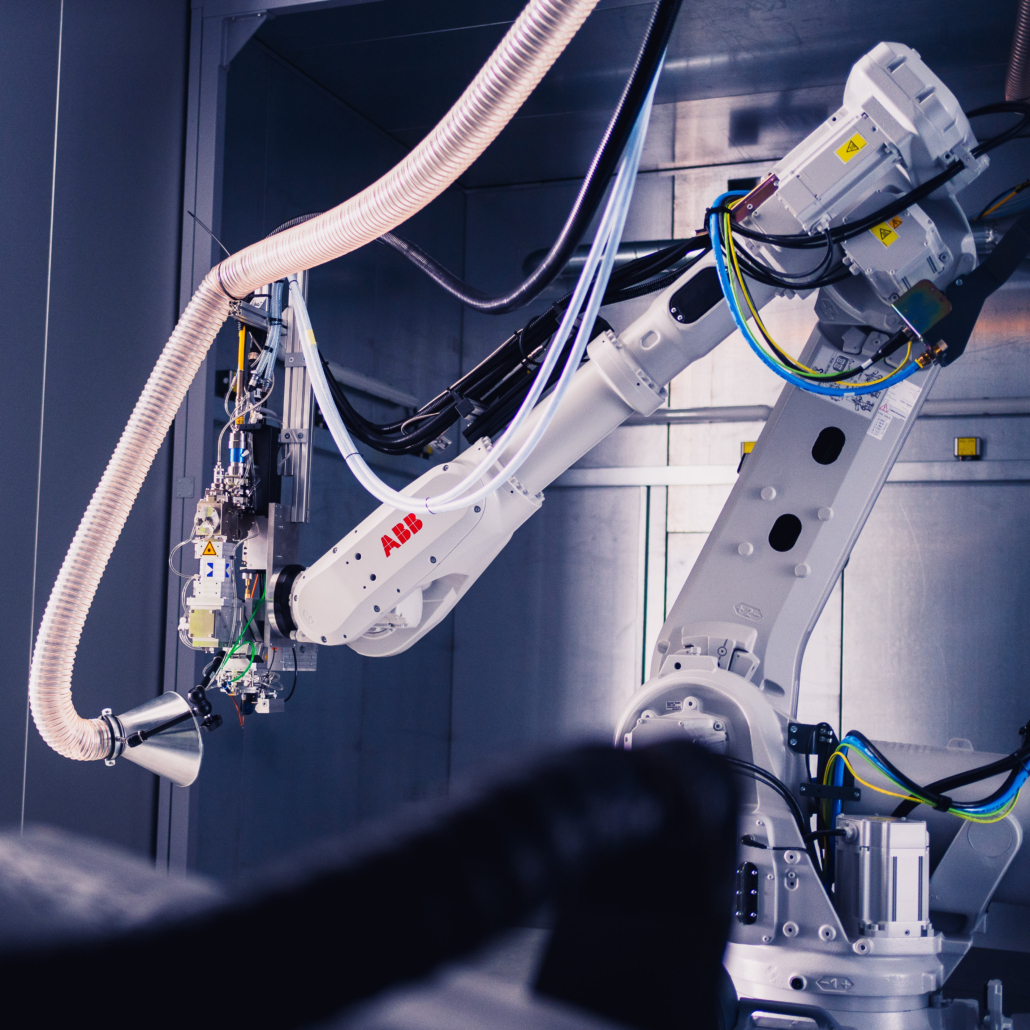
The ZESS facilities are geared towards a ‘networked production’ scenario. Core technologies include mobile robotics, additive manufacturing and intelligent building technology. At ZESS, we therefore can conduct research into innovative technologies and business models under realistic conditions.
Everything changes: Digitalization, Servitization and Circular Economy
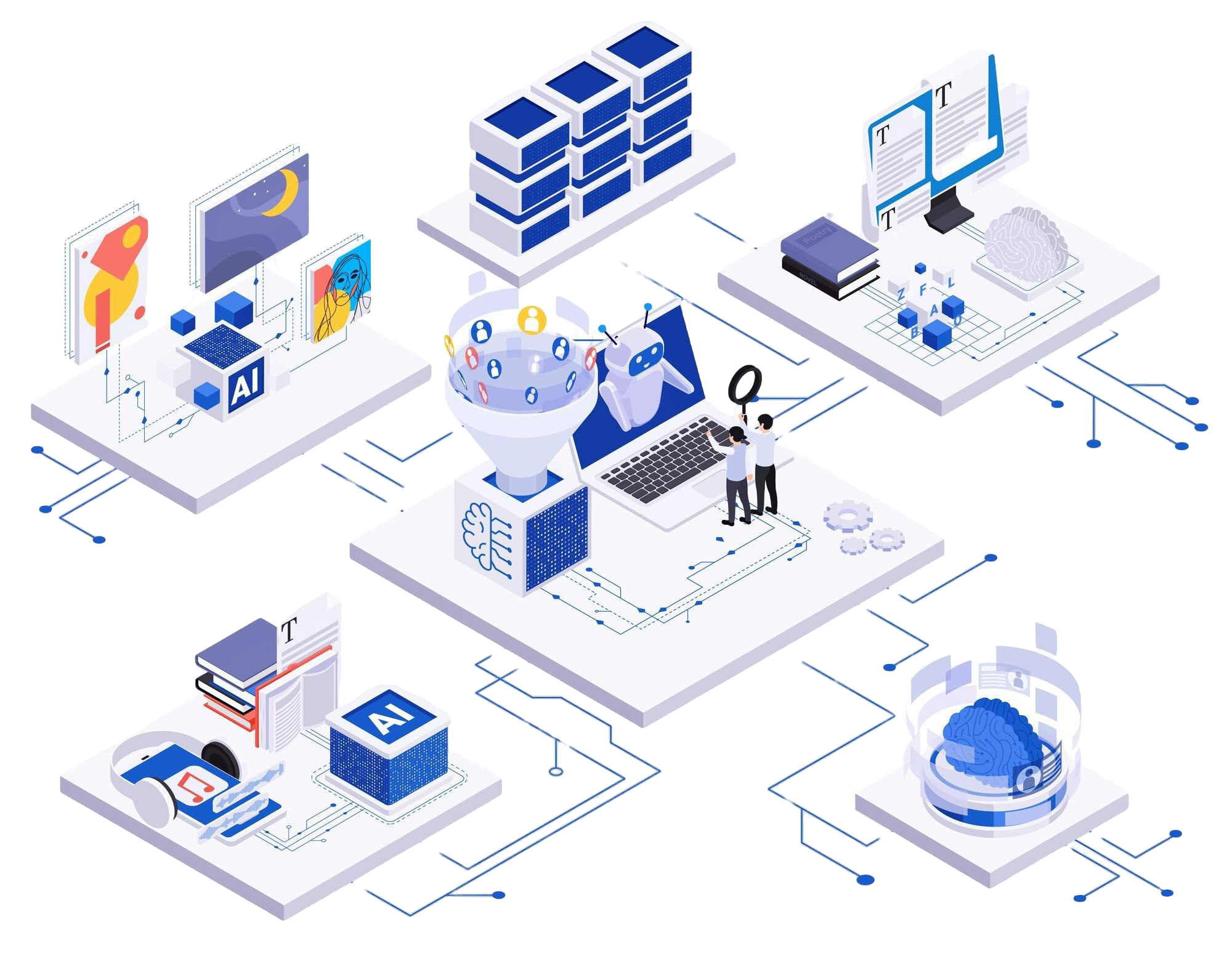
Digitalization has become a strategic imperative for industrial practice, with a significant impact on products, customer relationships, processes and the fundamental logic of value creation. Digital transformation has therefore become a popular topic in research. It can be observed that many companies are struggling to fully use the potential of digitalization and to capitalize on their investments in digital technologies. To counteract this, companies typically pursue the following strategies:
- Commercialisation of digital solutions: bundling of individual technologies to solve complex customer problems
- Harnessing product connectivity in service business models
- Establishment of platform business models: Development of an application business based on data analysis algorithms
In addition to the digital transformation, companies are also affected by the trend towards servitization, i.e. the shift from traditional product providers to service providers. The offers range from product-related services to benefit-oriented business models such as subscriptions or performance contracting. Both servitization and digital transformation contribute to climate goals and circular economy strategies with their respective solution approaches.


Our perspective on Smart Systems
Smart systems are the answer to the change processes of our time. With the help of innovative business models, human-centred work systems and intelligent technologies, industrial companies and their associated ecosystems create responsible value through smart systems. e At ZESS, we want to understand smart systems in this context and derive design and transformation knowledge for practical application – in the spirit of the RUB mission statement "Built to Change".
Business Models
How will industrial companies earn money in the future? Selling products is no longer the only answer. Therefore, we are investigating innovative forms of value creation, such as data monetization, forms of circular economy, platform approaches, or usage-based business models, such as availability guarantees or subscription models.
Work Systems
How will our work life change when technologies such as robotics or computer algorithms are embedded in our everyday lives and behave more and more intelligently and human-like? At ZESS, we explore how work can be organized under these new circumstances, and how it affects our established approaches to work design.
Technologies
We not only monitor current technological developments, but also actively shape future technologies that we expect to bring about radical changes in work processes and business models, as well as solutions to social challenges such as energy, the environment and health.
Key areas of our research at ZESS
ZESS Research Projects